Best Probiotics for Dogs in Australia: An Honest 2026 Guide
- by Ipromea Pet Health
There are now dozens of dog probiotics on Australian shelves, and most "best of" lists are written by a brand that ranks its own product first. We make probiotics too, so please read this with that in mind. We've tried to be fair: we include the vet clinic staples we don't make, we say when one of them is the better choice, and we only list details you can check on the label.
Last updated October 2026. Product details come from each manufacturer's published label or product page. Formulas change, so check the pack before you buy.
The short answer
- For a sudden bout of diarrhoea, with your vet's advice: Purina Pro Plan FortiFlora or Protexin Pro-Kolin+.
- For a simple daily capsule: Protexin Synbiotic D-C.
- For an everyday powder with digestive enzymes: PAW by Blackmores DigestiCare.
- For an Australian made daily powder with a clearly stated count: Ipromea Dog Digestive Balance or Petz Park Probiotics.
- For dental care and gut support in one daily habit: Ipromea 2 in 1 Oral & Gut Chews.
- For fussy dogs who refuse powders: a liquid such as Ipromea Tummy Time, or a probiotic treat.
What makes a good dog probiotic
CFU numbers get most of the attention, but they're only part of the picture. Before you compare brands, check these five things.
- Named strains. A good label tells you the genus and species, and ideally the strain, for example Enterococcus faecium SF68. "Probiotic blend" on its own tells you very little.
- A count per serve. Look for colony forming units (CFU) per serve, not per kilo or per tub. Higher isn't automatically better, but a product that won't tell you the count is asking you to take it on trust.
- Made for dogs. Human probiotics may use strains and doses that haven't been studied in dogs. Choose something formulated for pets.
- Prebiotics. Fibres such as inulin, FOS and acacia feed beneficial bacteria. A product with both probiotics and prebiotics is often called a synbiotic.
- A format your dog will actually eat. The best probiotic is the one that goes in every day. Powders, capsules, pastes, liquids, chews and treats all work if your dog accepts them.
Then give it time. Most probiotics need two to four weeks of daily use before you can fairly judge whether they're helping.
The vet clinic staples
Purina Pro Plan Veterinary FortiFlora
FortiFlora is the probiotic many Australian vets reach for first. Each 1g sachet contains a single, well researched strain, Enterococcus faecium SF68, backed by Purina's own studies in dogs. It's sprinkled on food and most dogs eat it happily. Purina's directions are to keep giving it until at least a week after stools return to normal.
Best for: short term upsets, diarrhoea linked to stress or a diet change, and support during a course of antibiotics, ideally with your vet involved.
Worth knowing: it's a single strain with no added prebiotic fibre, and individual sachets can add up if you use them every day for the long term.
Protexin Pro-Kolin+
Pro-Kolin+ is a paste in a calibrated syringe. Alongside the probiotic Enterococcus faecium, it contains kaolin, a natural binder that helps firm up stools, pectin to soothe the gut lining, and prebiotics. Protexin also makes Pro-Kolin Advanced for dogs, which adds psyllium and beta glucans.
Best for: acute digestive upsets where you want loose stools firmed up quickly.
Worth knowing: it's designed as a response to digestive upset rather than an everyday supplement, so let your vet guide how long you use it.
Protexin Synbiotic D-C
One capsule a day delivers 2 billion CFU of Enterococcus faecium plus Preplex prebiotics (FOS and acacia). You can give the capsule whole or open it and sprinkle the powder on food.
Best for: simple, ongoing gut support with a well known strain.
Worth knowing: it's a single strain, and capsules can be fiddly with some dogs.
Everyday powders from other brands
PAW by Blackmores DigestiCare
Developed by vets and sold widely in Australia, DigestiCare combines probiotics, prebiotics, digestive enzymes, resistant starch and a fermented wholefood powder. The newer formula includes the spore forming probiotic Bacillus subtilis.
Best for: everyday digestive support, especially if you want digestive enzymes in the mix. Our own digestive formula doesn't include enzymes, so if that matters to you, DigestiCare is the one to look at.
Worth knowing: the formula was updated recently, so check the strains and count on the current pack.
Petz Park Probiotics for Dogs
An Australian made, dairy free powder that states 2.2 billion CFU per scoop and uses microencapsulation to protect the bacteria on their way through the stomach. It's marketed mainly for dogs with itchy skin and allergies.
Best for: owners who want a locally made daily powder with a clearly stated count.
Ipromea: where our products fit
We're a Queensland company and our range is made in Australia. Here's where we think our products are a genuinely good choice, and where they aren't.
Ipromea Dog Digestive Balance
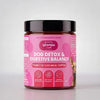
A daily meal topper with three Lactobacillus species (L. paracasei, L. rhamnosus, and L. plantarum as a postbiotic) labelled at 8 billion CFU per serve. Prebiotic fibres from inulin, FOS and sweet potato are built in, along with milk thistle, schisandra and beetroot.
Best for: adult and senior dogs who need ongoing daily digestive support, with prebiotics already included.
Not the best choice for: acute diarrhoea (see your vet, who may suggest FortiFlora or Pro-Kolin+), or if you specifically want digestive enzymes.
Ipromea 2 in 1 Oral & Gut Chews
Most probiotics focus on the gut alone. These daily chews pair a firm dental chew with Lactobacillus reuteri and Lactobacillus salivarius, two species studied for oral as well as digestive health. The small dog chews carry 1 billion CFU of each strain per chew, and there's a larger version for dogs over about 15kg.
Best for: owners who already give a dental chew and want gut support from the same daily habit.
Worth knowing: a chew isn't a substitute for brushing or professional dental care.
Ipromea Tummy Time
A liquid you pour over food or add to water, combining Lactobacillus with our Zoonatant postbiotic. It suits dogs, and cats, who pick around powders.
Worth knowing: it needs refrigerating after opening and should be used within 60 days. The label doesn't give a CFU count, so if a stated count matters to you, one of our powders is the better pick.
For specific needs
We also make targeted toppers that pair 8 billion CFU per serve with other actives: Joint Mobility & Support, with PETAGILE collagen peptides that have been studied in dogs with osteoarthritis, and Calm & Relaxation Support, with chamomile and valerian. Our Probiotic Dog Treats, made with Australian kangaroo, are an easy option for training or fussy eaters, though they deliver a lower dose than our powders.
Comparison at a glance
| Product | Format | Probiotic (as labelled) | Best for |
|---|---|---|---|
| Purina FortiFlora | Sachet powder | E. faecium SF68 | Short term upsets, with vet advice |
| Protexin Pro-Kolin+ | Paste | E. faecium, plus kaolin, pectin and prebiotic | Firming loose stools quickly |
| Protexin Synbiotic D-C | Capsule | E. faecium, 2 billion CFU per capsule, plus prebiotic | Simple daily support |
| PAW DigestiCare | Powder | Probiotics including B. subtilis, plus enzymes and prebiotic | Everyday support with enzymes |
| Petz Park Probiotics | Powder | 2.2 billion CFU per scoop | Locally made daily powder |
| Ipromea Dog Digestive Balance | Powder | Three Lactobacillus species, 8 billion CFU per serve, plus prebiotics | Daily support for adult and senior dogs |
| Ipromea 2 in 1 Oral & Gut Chews | Chew | L. reuteri and L. salivarius | Teeth and gut in one habit |
| Ipromea Tummy Time | Liquid | Lactobacillus plus postbiotic | Fussy eaters |
When to see your vet instead
A probiotic is a supplement, not a treatment. Talk to your vet before reaching for one if your dog:
- has diarrhoea lasting more than a day or two, or any blood in their stool
- is vomiting as well, or isn't eating or drinking
- seems lethargic, has a sore belly or shows signs of dehydration
- is a young puppy, elderly, or has an existing health condition
If your dog is on antibiotics, give the probiotic at least a couple of hours apart from each dose. For more on settling an upset tummy, read our guide to helping your dog through diarrhoea.
Frequently asked questions
What is the best probiotic for dogs in Australia?
There isn't one best product for every dog. For short term upsets, FortiFlora and Protexin Pro-Kolin+ are the options most vets know well. For daily support, choose a dog specific product that names its strains and states a CFU count per serve, in a format your dog will happily eat.
How many CFU does a dog probiotic need?
There's no single magic number, and the strain matters more than the total. Products sold in Australia range from around 100 million to 10 billion CFU per serve. What matters is that the count is stated per serve and the strains have been studied in dogs.
Can I give my dog a human probiotic?
It's better not to. Human products may contain strains and doses that haven't been studied in dogs, and some chewable products contain xylitol, which is toxic to dogs.
How long do probiotics take to work in dogs?
For an acute upset you may see firmer stools within a few days. For ongoing support, give it two to four weeks of daily use before you judge it.
Are probiotics safe for puppies?
Many are labelled for puppies, including FortiFlora and our Tummy Time. Check the label, and ask your vet first if your puppy is very young.
Our take
If your dog has a sudden upset, see your vet and use what they recommend. For daily support, pick the product that suits your dog's needs and that they'll eat every day without a fight. If that turns out to be one of ours, we'd love to hear how you go.
This guide is general information only and isn't veterinary advice. Ipromea makes some of the products mentioned.
- Posted in:
- best probiotics for dogs australia
- canine probiotics
- dog gut health
- dog probiotics australia
- probiotics for dogs